

Surviving your teenage dog!
Adolescence in dogs is a complex period of rapid physical and neurological change. Just like human teenagers, adolescent dogs experience massive hormonal shifts that can alter their behavior in confusing ways. During this time, you may notice your previously focused puppy starting to "test boundaries," become much more independent, and even seem to completely forget their early training. While this phase can be frustrating, understanding that it is a temporary and biologically driven developmental stage is key. With patience, skilled management, and positive reinforcement, you can successfully guide your dog into a well adjusted adult.
Here are the essential strategies for navigating your dog’s teenage years.
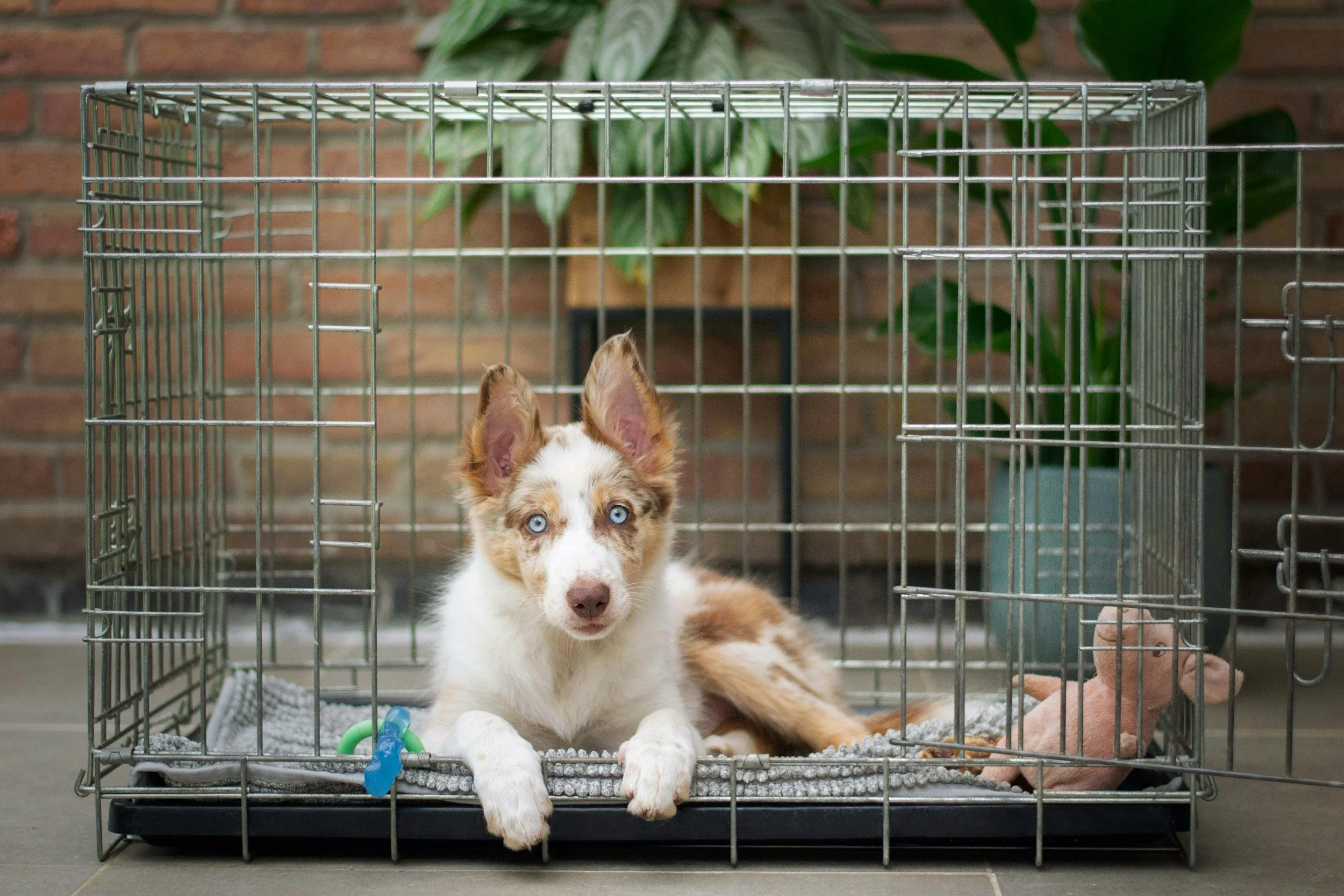
1. Prioritize Management and Clear Structure
Consistency is the absolute foundation of successful training during adolescence. Your dog's brain is naturally seeking novelty and testing their environment, so setting very clear, predictable rules is critical. This means actively managing their environment to prevent them from practicing unwanted behaviors. If a dog finds a behavior (like jumping on a counter or chasing a squirrel) reinforcing even one time, that behavior will persist. By providing consistent structure and preventing self reinforcing rehearsed behaviors, you ensure your dog understands exactly what is expected of him.
2. Lean Heavily into Positive Reinforcement
Positive reinforcement is the single most effective way to communicate with an adolescent dog whose focus is pulled in every direction. When your dog makes a good choice, actively acknowledge and reinforce it. This means keeping fantastic rewards, such as high value complete foods or a favorite toy, easily accessible. By consistently rewarding the desirable behavior, you empower your dog to build strong neural pathways that prioritize cooperation rather than impulsive choices. This science based approach makes training efficient and helps maintain your essential bond.
3. Cultivate Patience and Adjust Expectations
Regression is a predictable part of canine adolescence. There will be days when your dog seems to not know his own name. When this happens, it is vital to remain patient and simply lower your criteria. If your dog is struggling with "stay" in a distracting park, simplify the task and reward heavily for a two second stay at home. Do not become frustrated; instead, meet your dog where they are on that specific day. Training is not a straight line, and this biological "remodeling" of the brain means some early skills temporarily go offline.
4. Make Training Short, Safe, and Intentional
Teenage dogs have limited impulse control and shorter attention spans. Long, repetitive training sessions will lead to fatigue and frustration for both of you. Keep your training sessions short, focused, and incredibly fun. Make sure every interaction ends on a successful note, reinforcing the idea that working with you is the best part of their day. Additionally, focus heavily on intentional socialization. Do not simply expose your dog to everything; instead, structure positive, controlled experiences in diverse environments, ensuring your dog feels safe and confident in new situations.
Common Adolescent Behaviors and LIMA Based Solutions
Adolescence brings distinct behavioral challenges. Here is how to address some of the most common issues without damaging your relationship.
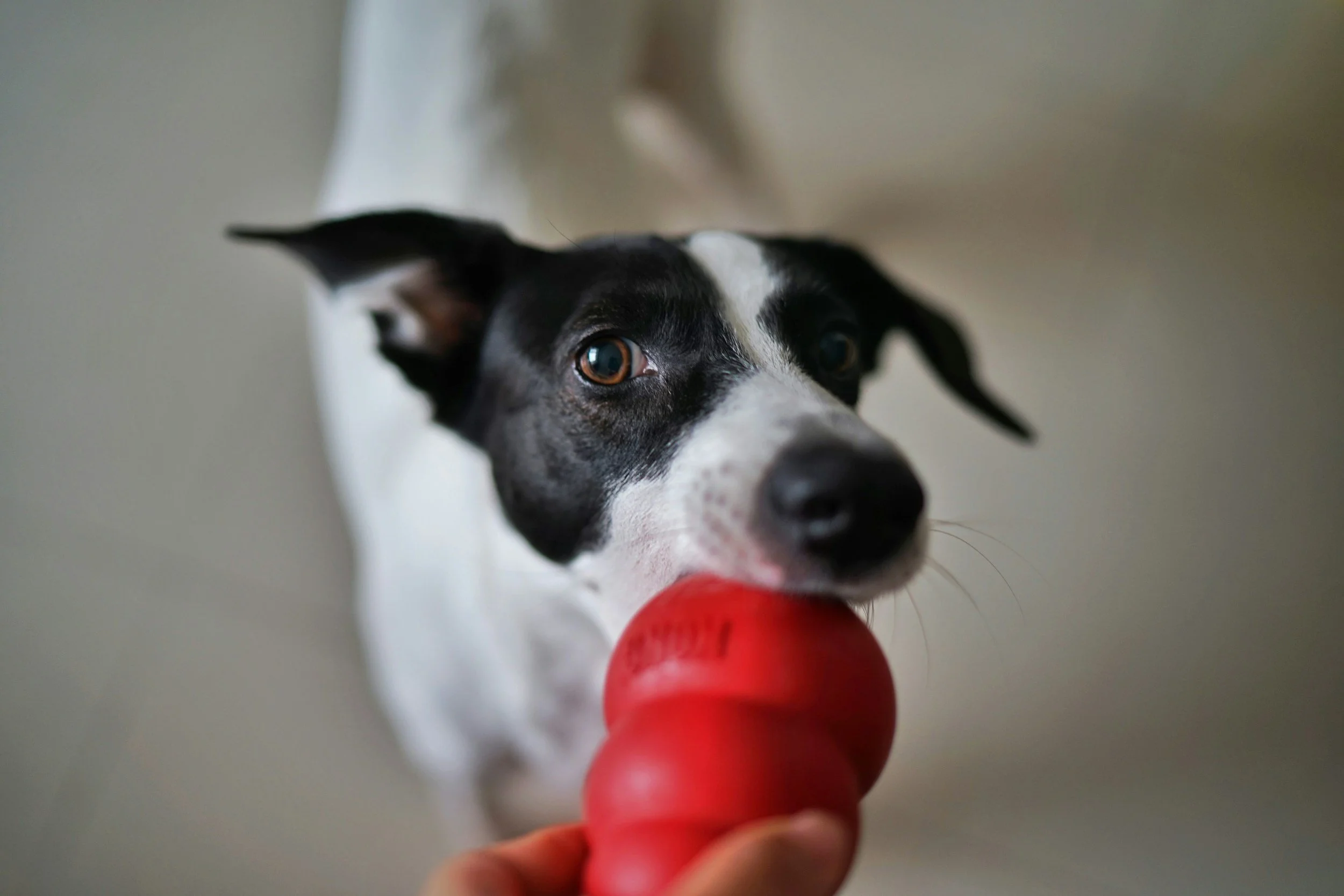
Excessive Chewing and Mouthiness: Adolescent dogs are often processing a great deal of physical energy. If your dog is chewing destructively, manage their access to inappropriate items and instead provide ample, engaging appropriate chew options. (We have several suggestions on our Resources page!) If your dog is friendly and social, this energy can also be safely managed through intentional exercise, such as structured training walks, nose work games, or highly supervised, small trainer led playgroups.
Jumping Up and Nipping: Adolescent dogs often jump and nip during high arousal play, as they have not yet mastered bite inhibition or polite manners. When this occurs, immediately redirect their attention to an appropriate toy or game. If they continue, calmly end the interaction (a 30 second "time out" from play is an effective, non aversive negative punishment). The key is consistent redirection and reinforcing the preferred "four on the floor" behavior.
Impulse Control Challenges (Roaming): Adolescence increases a dog's desire to explore. To prevent impulsive behaviors like "bolting" out doors or running away, prioritize management. Ensure your yard is secure and always utilize a standard leash or long line when outside in an unfenced area. Simultaneously, actively train and heavily reward a "wait" cue at doorways to build necessary impulse control.
Training Regression (House Training): It is extremely common for an adolescent dog to have temporary setbacks in house training. If this happens, do not punish the dog. Instead, treat the situation as if they are a young puppy again. Increase the frequency of bathroom trips and ensure you provide intense praise and high value rewards for every successful instance of going outside.
Increased Reactivity (The Second Fear Period): Many adolescent dogs go through a "second fear period" where they can become suddenly fearful or reactive to objects, people, or dogs they previously tolerated. If you notice your dog becoming tense or reactive on walks, focus on creating distance from the trigger and utilize a positive counter conditioning protocol. This approach changes the dog's emotional response from "that is scary" to "that scary thing predicts good consequences (rewards) for me," directly addressing the root cause of the behavior.
Canine adolescence is a journey. If you are struggling with complex behaviors like aggression or severe fear, or if your training progress is completely stalling, we highly recommend consulting with a certified professional trainer. We are here to develop a humane, effective, and LIMA compliant training plan specifically tailored to your unique family.
